

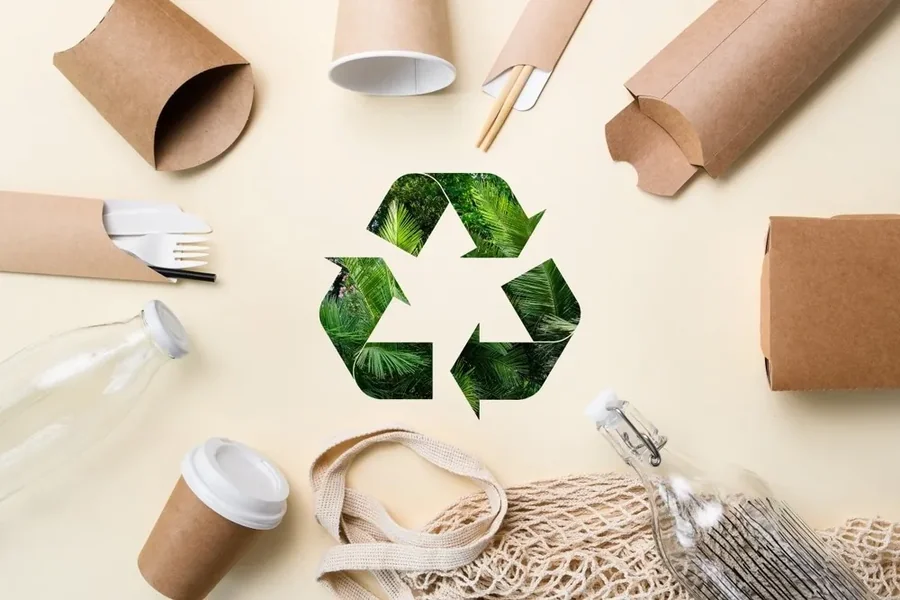
As global awareness of environmental protection continues to grow, sustainable packaging has become a vital focus for many businesses and consumers. In Hong Kong, a fast-paced and environmentally conscious market, companies are increasingly adopting eco-friendly packaging solutions to reduce waste and meet stricter regulatory standards. This article delves deeper into the evolving trends shaping sustainable packaging and explores practical examples of circular economy implementation, highlighting how innovation and responsibility can go hand in hand.
Changes in Material Choices and Design Approaches
One of the most prominent shifts in packaging is the transition from traditional plastics to sustainable materials. Businesses in Hong Kong are embracing options such as biodegradable substances, recycled paper, and plant-based composites that significantly reduce environmental footprints. These materials not only decompose more readily but also diminish reliance on fossil fuels, helping to meet global carbon reduction targets and local regulations designed to curb plastic pollution. As a result, companies are able to align their operations with sustainability goals while responding to growing consumer demand for greener products.
Furthermore, innovative design strategies have emerged to minimise raw material use and enhance packaging efficiency. Many companies now prioritise minimalist packaging that balances product protection with reduced waste generation. The focus also extends to creating packaging that is easily recyclable through better material selection and clear labelling. Such innovations are supported by local regulations and international sustainability certifications, which encourage businesses to improve transparency and environmental performance, ultimately benefiting the environment and enhancing brand trust.
Innovations in Supply Chain and Resource Recovery
The circular economy aims to create closed-loop systems where materials are continually reused and recycled, drastically reducing waste and conserving natural resources. A key component of this approach is reverse logistics, a system that collects used products and packaging for refurbishment, recycling, or disposal with minimal environmental harm. Singapore serves as a regional role model with its advanced systems enabling efficient packaging material recovery and repurposing.
Inspired by these developments, Hong Kong enterprises are experimenting with similar frameworks tailored to local market dynamics. By integrating reverse logistics into their operations, businesses enhance sustainability throughout the supply chain, reduce landfill contributions, and promote more responsible resource management. Effective reverse logistics programs help firms reduce costs and fulfil corporate social responsibility commitments, fostering a healthier urban environment. This reverse supply chain Singapore version showcases how regional cooperation can accelerate sustainability goals.
An Example from the Food Industry
In the food sector, environmentally responsible packaging solutions bring tangible benefits to business and the planet. A notable example involves a type of tray designed specifically for sushi, made from materials that naturally degrade after disposal. This innovation reduces reliance on conventional plastic containers, which otherwise contribute significantly to pollution. These trays maintain hygiene and food safety standards while offering an eco-conscious alternative sought by today’s consumers.
Businesses in Hong Kong’s bustling food and catering industry have increasingly adopted such biodegradable products. By doing so, they not only lessen their environmental impact but also improve brand image and customer loyalty. This shift reflects a broader commitment across the market to align production and packaging practices with sustainability principles.
Lessons from Regional Supply Chain Practices
Singapore’s reverse supply chain implementations demonstrate how well-designed collection, recycling, and reuse systems can support circular economy objectives. Their comprehensive approach enables effective management of packaging waste while improving resource efficiency. Working closely with supply chain partners, businesses ensure materials can flow backwards through the system, reducing overall waste generation.
Hong Kong companies are looking to learn from Singapore’s experiences in developing robust reverse logistics strategies that fit the local context. These efforts strengthen regional cooperation on sustainability and provide a platform for innovation to spread throughout different industries and markets, leading to a more resilient and environmentally friendly economic system.
Overcoming Barriers and Looking Ahead
Despite these advances, several challenges impede widespread adoption of sustainable packaging and circular supply chains. These include higher initial costs associated with eco-friendly materials, complexities in setting up reverse logistics, and the need to boost consumer participation. However, technological progress in material science and digital tracking, alongside supportive policies and public education, offer promising pathways forward.
Going forward, businesses that embrace sustainability and circularity will likely gain competitive advantages, responding to evolving consumer expectations and tightening regulations. Collaborative efforts between governments, industries, and consumers will be key to accelerating solutions that benefit both the environment and the economy.
In summary, emerging trends and practical examples demonstrate that sustainable packaging combined with circular economy principles presents significant opportunities for businesses committed to responsible growth. Through innovation in materials, supply chain reform, and embracing eco-conscious packaging like biodegradable sushi trays and strategic reverse logistics, companies in Hong Kong and beyond are paving the way for a greener future.
