

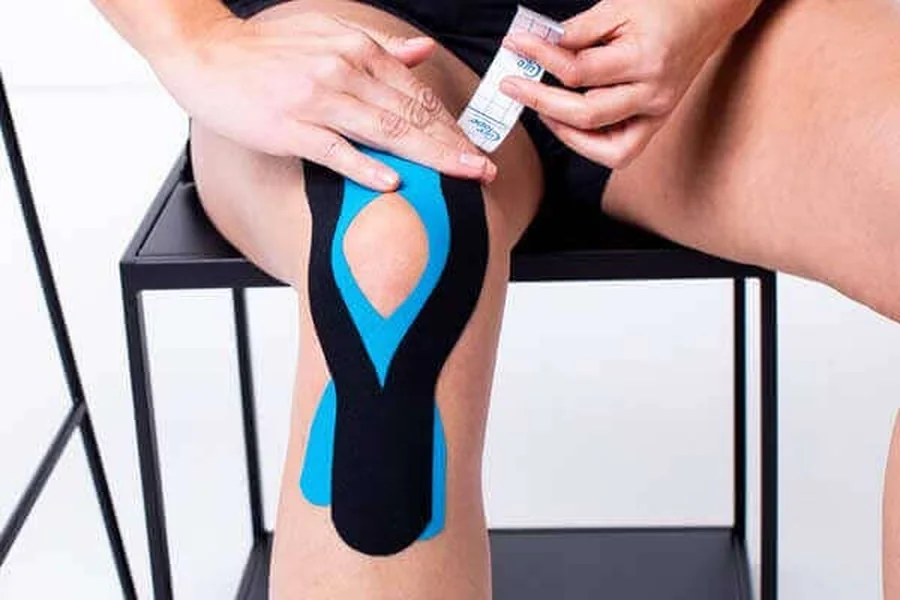
If you’ve ever had knee pain while working out, walking long distances, or doing everyday tasks, you’ve probably tried some kind of knee support. These tools can make a big difference when used correctly, from simple compression sleeves to a more structured hinged knee cap.
But here’s the thing: most people don’t really know how to use knee wraps or knee caps. And what happens then? You either don’t get the benefits you want, or worse, you make the problem even worse.
Let’s look at the most common mistakes people make when using knee wraps and how to avoid them.
1. Wrapping too tightly (more isn’t always better)
This is probably the most common error.
Many people think that tighter means better support. So they make the wrap as tight as they can. What happened?
- Less blood flow
- Tingling or numbness
- More swelling below the wrap
- Pain instead of relief
Your knee support should fit well, not too tightly. Your foot is too tight if it starts to feel cold, tingly, or change color. Proceed with caution immediately.
A good rule of thumb is that you should be able to easily slide one finger under the wrap.
2. Wearing it all day
Knee wraps are not long-term solutions; they are only temporary.
Some people wear a knee cap in the morning to help with pain and keep it on until they go to bed. That’s not good.
This is because relying too much on outside help can make your body’s natural stabilizing muscles weaker over time. Your knee needs to move on its own as well.
Use your knee support when you work out, go for long walks, or do things that make your knee hurt, but take breaks from using it when you’re resting.
3. Using the Wrong Kind of Knee Support
There are different kinds of knee supports.
A simple elastic wrap might not be enough if you have unstable ligaments or are recovering from an injury. In that case, a hinged knee cap gives you side stabilizers that help keep your knee from moving too much.
Here’s a short summary:
- Elastic wraps are useful for light compression during workouts
- Compression sleeves are excellent for light support and keeping swelling down
- Hinged knee caps are best for keeping ligaments stable and supporting them
- Patella support braces can help with problems with the alignment of the knee cap
If you pick the wrong one, you might feel the same or worse.
4. Ignoring the Root Cause of Pain
A knee cap can help with pain relief and managing symptoms. But it doesn’t fix:
- Uneven muscles
- Bad form when working out
- Weak hamstrings or quads
- Arthritis
- Tears in ligaments
Use your brace along with exercises to make your muscles stronger, stretches, proper warm-ups, and, if necessary, a doctor’s visit. Support and rehab together bring long-term relief.
5. Wrapping the wrong way
It matters how you wrap it, even if you got the right one.
Some common mistakes people make when wrapping are:
- Beginning too low or too high
- Making spaces between layers
- Wrapping in an uneven way
- Covering just the knee cap and not the structures around it
Your knee is a joint, and it needs support above and below, not just on the knee cap itself.
If you’re not sure, ask a trainer or physiotherapist to show you how to wrap something the right way once. It really matters.
6. Using It During Every Workout (Even Light Ones)
You don’t need a lot of knee support for every bodyweight squat.
Some people at the gym wear tight knee wraps even when they’re warming up or doing light cardio. That’s not necessary and can make it harder to move naturally.
Don’t use knee wraps for gentle mobility work; only for hard workouts and heavy lifting.
7. Not Adjusting as Swelling Changes
The swelling in the knee goes up and down.
What feels good in the morning might feel tight by the end of the day. A lot of people forget to change the support for their knees during the day.
Take it off and put it back on correctly if you feel more pressure, see redness, or feel numbness.
8. Picking the Wrong Size
This mistake happens more frequently than you might realize.
People either guess their size, buy one size smaller for extra compression, or pick a loose one for comfort.
A knee cap that helps with pain should fit around your knee exactly. Before you buy, always measure around the middle of your knee cap while standing.
If it’s too small, it can cause circulation problems. Too big gives almost no support.
9. Skipping Strength Training
Strong muscles are better than any knee support.
If your quads, hamstrings, calves, and glutes are weak, your knees have to take on more stress. Then you have to use wraps to make up for it.
Do the right kind of strength training so that your knee support is a backup, not a crutch.
10. Not Bothering about cleanliness
Knee wraps, for instance, soak up sweat. They can easily catch dirt if you use them during your gym workout.
If you don’t wash your knee support often, it can cause skin irritation, rashes, and bad smells.
Follow the washing instructions and let them dry before using them again.
Final Thoughts
Knee wraps, a hinged knee cap, or any other kind of knee support can really help with pain and stability, but only if you use them correctly.
You shouldn’t count on them to be a long-term fix. Please ensure they fit well, are not too tight, and are suitable for your specific issue. Most importantly, get help from outside sources and make sure you have the right habits for getting stronger and recovering.
The trick is finding equilibrium. A knee brace can offer pain relief, boosting your confidence and providing stability when you need it most. But don’t let it become a permanent fixture. Ensure it fits correctly, isn’t too constricting, and addresses your particular issue.
Pairing the right knee support with strengthening exercises, sensible training, and sound self-care gives your knees the best shot at remaining robust and pain-free over time.
