

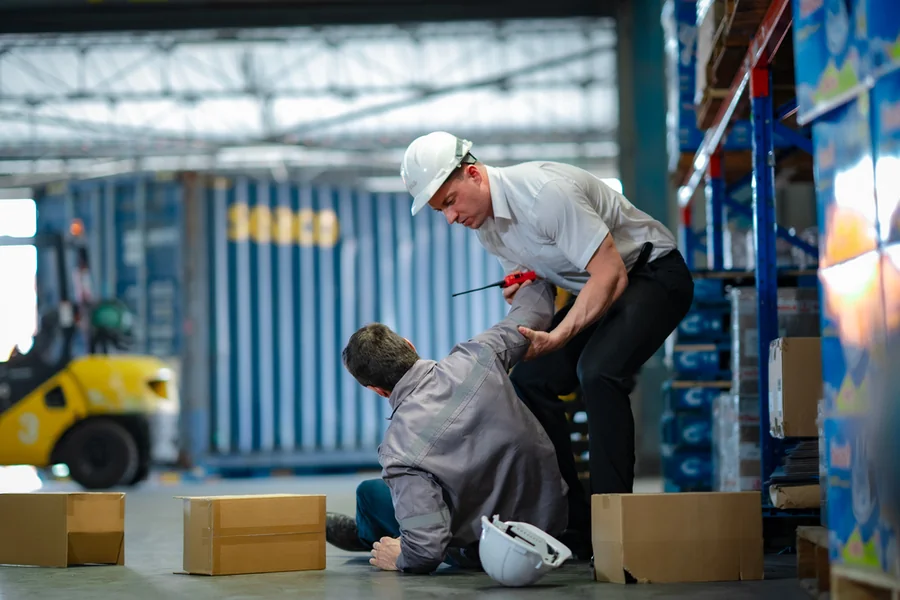
That frayed cord behind the copy machine. The boxes that are blocking the exit door. The perpetually damp, slick area by the water fountain. Workplace hazards often go unnoticed until an accident occurs. Everyone then wonders how they missed the obvious.
The Snowball Effect of Small Hazards
Small issues escalate. They partner with problems and wait to strike at the worst time. The storage room holds a ladder that needs attention. It holds weight fine until it doesn’t. An employee is retrieving stock from an upper level. The ladder gives way. You now face an ambulance in your lot, mounting workers’ comp claims, and looming legal threats.
Word spreads that the company let someone get hurt. Your best workers start polishing their resumes. New hires wonder what else might be broken around here. Customers hear about the accident and question whether you run a professional operation. That thirty-dollar ladder replacement you put off just cost you thousands, maybe tens of thousands.
When Workers Stop Reporting Problems
After people mention hazards a few times and nothing changes, they stop talking. They figure management doesn’t care or can’t be bothered. So they adapt. The forklift driver knows to jiggle the controls just right when they stick. The office staff knows which bathroom stall has the broken lock. Everyone steps over that raised floor tile that’s been loose since last summer. These become inside jokes instead of safety reports.
This creates a weird situation. Bosses think the workplace is safe because nobody’s complaining anymore. Workers think bosses are useless because nothing ever gets fixed. Between these two wrong assumptions, dangers pile up like dry wood waiting for a spark.
Then someone new starts working. Nobody remembers to mention all the unofficial safety rules. Or a regular employee forgets the workaround just once. Then the accident everyone expected but nobody reported finally happens. Management acts shocked. Workers roll their eyes. Lawyers get rich.
The Legal and Financial Avalanche
When accidents happen after risks were ignored, regular problems become expensive nightmares. The paper trail that shows you knew about the hazard? That’s gold for a plaintiff’s attorney. Insurers dislike compensating for accidents that could have been avoided. They will contest claims, increase your rates, or cancel your policy. Government inspectors who might have just warned you about violations now write citations with big fines attached. Your company name shows up in news stories with words like “negligent” and “dangerous.”
But the money hemorrhage doesn’t stop there. Big clients have safety requirements for their vendors. Fail an audit after an accident, and those contracts disappear. Recruiting gets harder when job seekers research your company and find injury reports. Your competitors steal your best people by offering safer working conditions.
Breaking the Cycle Before It Starts
Successful places plan for disasters. Their business survival depends on problem-solving. Outside specialists reveal obvious dangers. Safety compliance consultants from organizations like Compliance Consultants Inc. examine workplaces with trained eyes. They stop potential dangers like poor ventilation, bad ergonomics, and code breaches.
But inspections alone won’t work if nothing happens afterward. When someone flags a hazard, fix it fast or at least rope it off and post a sign. Show workers that their reports matter. Fix the small stuff immediately. Schedule the big stuff publicly. Make safety visible, not just verbal.
Conclusion
Hidden workplace risks always reveal themselves, eventually. The only question is whether you’ll find them with a checklist or an ambulance. Finding risks helps companies save money on damages and reputation. Ignoring workplace hazards is like neglecting termites. Eventually, they can cause significant damage.
